Diamond Clarity Chart: Every Grade Read from the Bench
By SGJ · · 15 min read
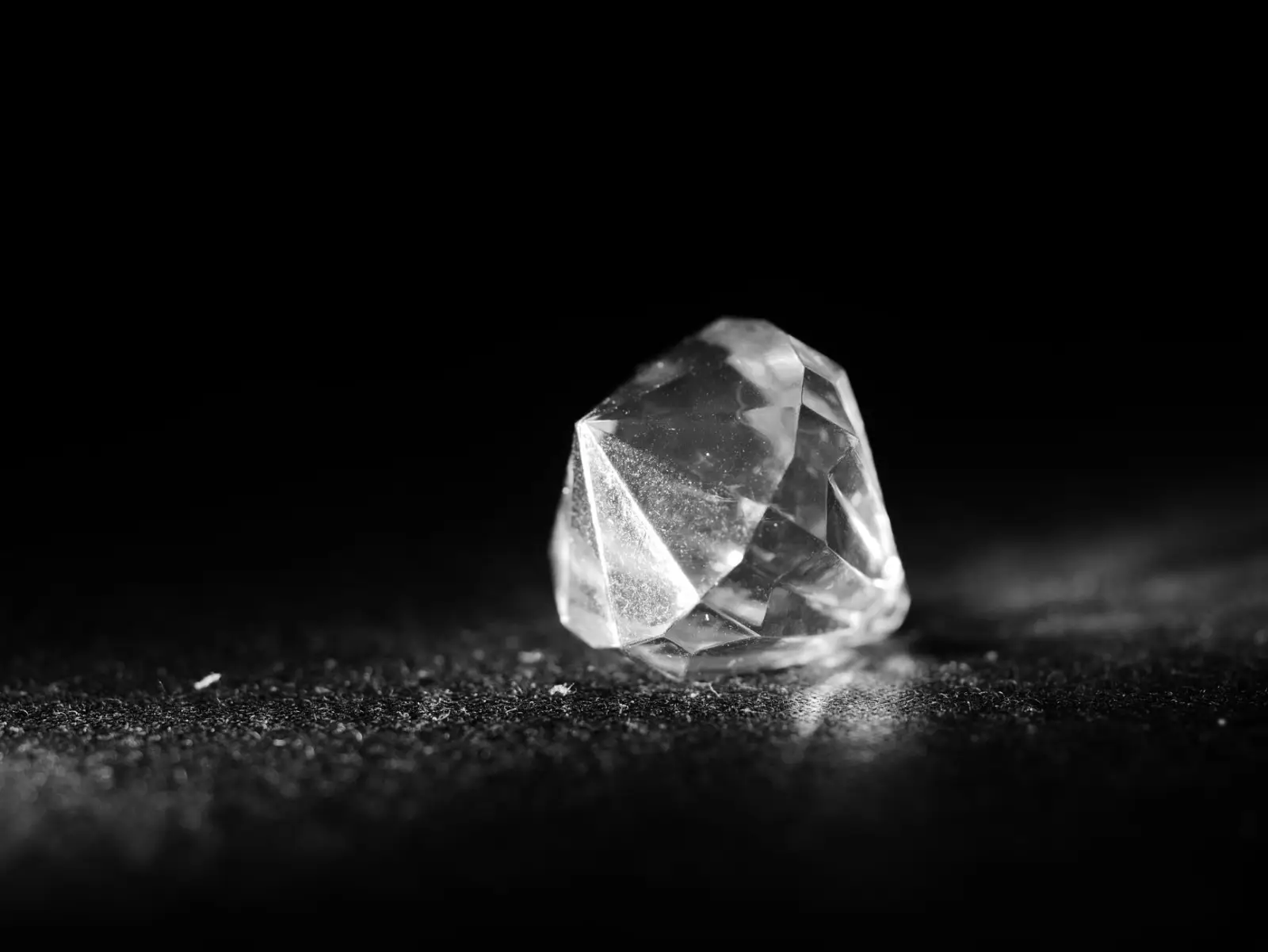
The diamond clarity chart runs eleven grades, from Flawless to I3. The scale is written at ten-times magnification; you wear the stone at one. That gap — between what a grader can find and what anyone will ever see — is where most clarity money is quietly spent. Below is the full chart, what each grade actually looks like on a hand, and the point past which the grade keeps climbing and the stone stops.
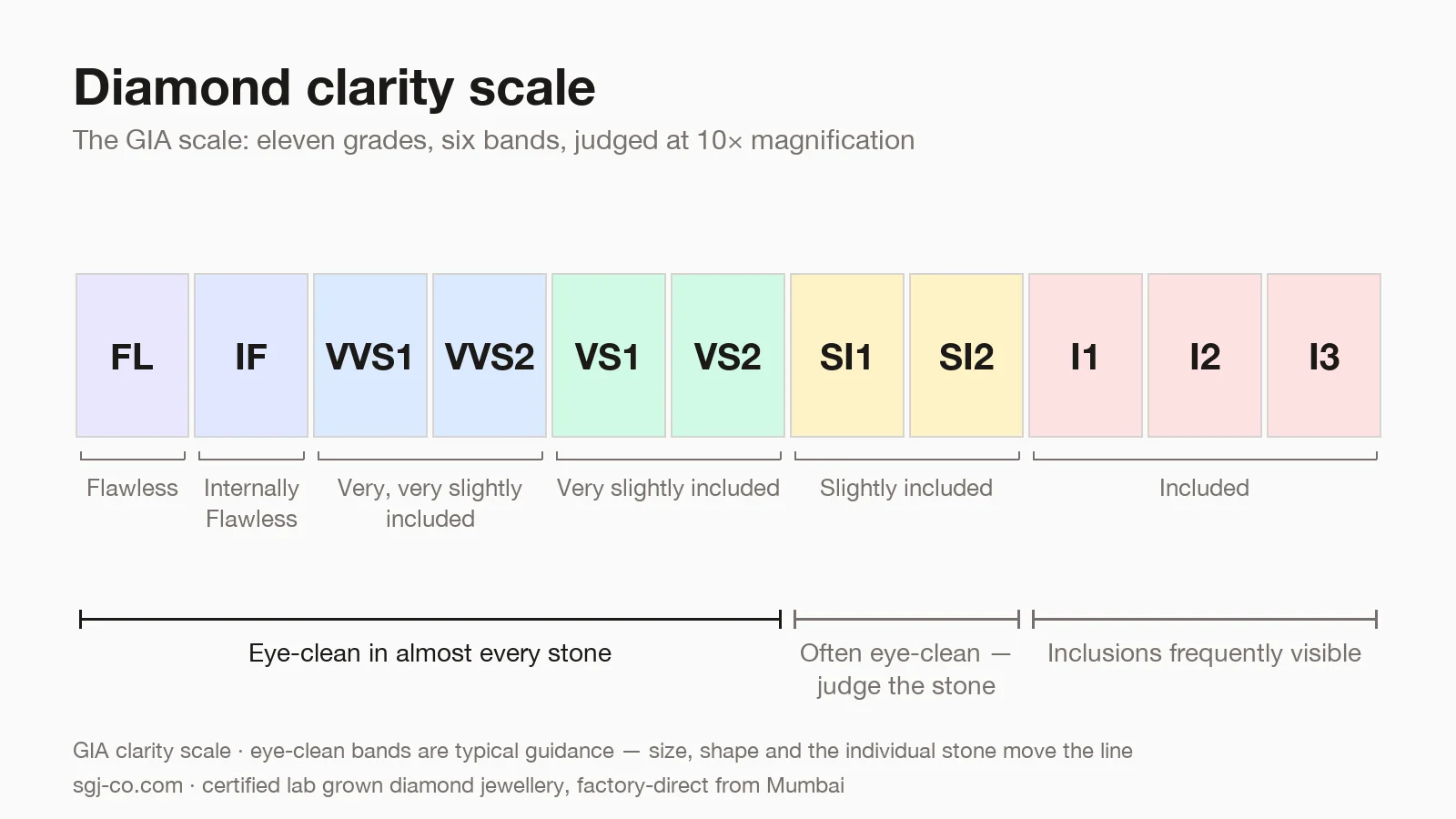
The diamond clarity chart, from FL to I3
The chart is the GIA's clarity scale — the trade's common language, and the scale IGI grades on too: eleven grades, six bands, judged at 10x magnification. HRD, the third lab whose paper crosses our bench, writes the same information in its own dialect — "Loupe Clean" where this chart says FL and IF, "Piqué" where it says I — and the bands translate closely enough that everything below applies to all three.
| Grade | Band | Under 10x magnification | On the hand |
|---|---|---|---|
| FL | Flawless | Nothing, inside or out | Clean |
| IF | Internally Flawless | Surface marks only, nothing inside | Clean |
| VVS1, VVS2 | Very, very slightly included | Inclusions a trained grader works to find | Clean |
| VS1, VS2 | Very slightly included | Minor inclusions, found with effort | Clean in almost every stone |
| SI1, SI2 | Slightly included | Noticeable under the loupe | Often clean — judge the stone, not the grade |
| I1, I2, I3 | Included | Obvious | Frequently visible; can dull the stone |
Read the right-hand column twice. Four of the six bands say some version of "clean". That is the entire economics of clarity in one column, and the rest of this guide is the working detail.
One note on the middle column: "works to find" is not a figure of speech. A VVS grade means a person whose full-time job is finding inclusions needed time to find them.
What diamond clarity actually grades
Diamond clarity is an inventory of what is inside the stone and on its surface. A diamond is grown — by the earth or by a machine — and growth is untidy. Things get caught in the crystal on the way up. The grader's job is to catalogue them: how many, how large, where they sit, and how easily they show at 10x. The clarity grade is the summary line of that inventory.
The things being counted have names:
- Crystals — specks of another mineral, or of diamond itself, trapped mid-growth
- Pinpoints — crystals too small to read as anything but a dot
- Clouds — clusters of pinpoints; individually invisible, collectively a haze
- Feathers — small internal fractures, named for how they catch the light
- Needles — thin rods of trapped material
- Blemishes — marks on the surface rather than inside: nicks, scratches, polish lines
Two facts stop most clarity anxiety. First, almost every diamond ever cut carries some of these; a grade is a description, not a defect notice. Second, position matters as much as size — a pinpoint under the table faces the world, while the same pinpoint near the girdle disappears under a prong. Two stones can share a grade and wear it very differently, which is why the report carries a map as well as a word. More on the map below.
Clarity is also not transparency. Milkiness and haze are a different problem — dense clouds or strong fluorescence can dull a stone at almost any grade — and a clean-graded diamond is not "clearer" to look through than one two grades down. It simply has less for a loupe to find.
How a lab actually decides the grade
The process is duller than the price differences it produces, which is rather the point. A stone arrives at the lab anonymous — no seller's name attached, so nobody grades a brand. It is weighed, measured, and passed to a grader who examines it at 10x, maps what they find, and writes a grade. Another grader repeats the exercise without seeing the first opinion. The grade on the report is the reconciled result, and on borderline stones more opinions are pulled in until the disagreement dies.
Two consequences are worth carrying into a purchase. First, a grade is an expert consensus, not a physical constant — instruments help find the inclusions, but weighing what they add up to is still judgement, which is why the same diamond can occasionally grade a notch apart at two labs. Second, the lab is paid to grade the stone, not to sell it, and that independence is the whole of the report's value.
Every band on the chart, translated to the hand
FL and IF. Nothing to find inside the stone — FL adds a clean surface as well. These grades exist because grading is thorough, not because wearing is. Between IF and VVS the difference lives entirely in the lab. Nothing changes on the hand.
VVS1 and VVS2. Inclusions so small that finding them at 10x is skilled work. On a finished piece of jewellery, at any distance your eyes can focus from, a VVS stone and a flawless one are the same stone. What that premium buys, and the cases where it is worth paying, is the subject of our guide to VVS clarity diamonds.
VS1 and VS2. The working middle of the chart. Inclusions a grader finds without difficulty and a wearer essentially never does. The overwhelming share of stones in this band are eye-clean — the trade's term for "no inclusion visible to an unaided eye at normal viewing distance". This is the band where the paper and the look part company, and it matters enough that the next section is about exactly that.
SI1 and SI2. The honest bargain, stone by stone. Under the loupe the inclusions are plain; on the hand, many SI stones — especially SI1 — are still eye-clean, and those particular stones are the best value on the whole chart. The grade alone cannot tell you which ones they are. Ask to see the specific stone, a video of it, or the plot on its report before deciding anything about an SI diamond.
I1 to I3. Included means what it says: inclusions frequently visible without magnification, and at the bottom of the band, enough of them to interfere with how light moves through the stone. A large feather in the wrong place can also make a stone more vulnerable at the setter's bench. There are sensible uses for I-grade stones — small side stones, tight budgets on pieces that will be worn hard and casually — but buy them with your eyes, never from a listing.
Where does the price stop following the eye?
The chart's own economics point one way: once inclusions stop being findable without a loupe — for most stones, somewhere around the VS band — you are paying for the certificate, not the look. Every grade above that line improves the document, not the ring.
The price ladder does not know this. Each step up the chart costs real money, because rarity is priced whether or not it is visible — a genuinely clean crystal is harder to grow and harder to mine, so the market charges for it. The market is not wrong to; the paper is real and the rarity is real. The question is whether you want to own rarity you cannot see.
Sometimes the answer is honestly yes — some buyers want the top of the chart for its own sake, and a certificate that reads VVS1 is a pleasure of a kind we understand. That money is not wasted if the paper is the point. But if the point is the stone on the hand, the arithmetic says: find the grade where your stone goes eye-clean, stop there, and move the savings to cut — the one property on the report your eye actually reads across a room. Our lab grown diamond price guide walks through how the four properties split a bill; clarity is rarely where the meaningful money belongs.
Clarity and colour, read together
A combined diamond clarity and color chart is really two scales sharing one budget — and clarity and colour are the two report lines buyers most often over-buy. The GIA colour scale runs from D to Z:
| Range | Grades | What it means |
|---|---|---|
| Colourless | D–F | No tint a grader can detect |
| Near-colourless | G–J | Tint visible only against comparison stones |
| Faint | K–M | Warmth starts to show |
| Very light | N–R | Warmth an untrained eye begins to catch |
| Light | S–Z | Visible warmth |
The two grades trade against each other in a useful way. In a white-gold or platinum setting, a colour tint tends to show before a VS-band inclusion ever will, so colour usually deserves the budget first. In yellow gold, the metal warms every stone anyway — a near-colourless grade disappears into the setting, and the budget can move back toward clarity or carat. Balancing the two against a fixed budget is most of what a good quote is.
Does the clarity chart work for lab grown diamonds?
Yes — the same chart, the same 10x loupe. A lab grown diamond grows the way any crystal grows, only faster and under supervision, and growth leaves the same fingerprints: trapped crystals, pinpoints, feathers, the occasional cloud. Lab grown does not mean flawless. On an IGI report — and most lab grown paper you will meet is IGI's — the clarity line reads exactly as this guide describes; GIA has been moving its lab grown reports toward broader descriptive categories rather than the full scale, so expect less granularity there.
What origin changes is the bill. The same specification — the same clarity band included — runs up to 60% less lab grown than mined; the production line is simply cheaper than the geology. So the chart works twice as hard for you on a lab grown stone: the eye-clean logic above still finds the sensible grade, and the economics mean that grade costs less to begin with. Our lab grown diamond rings page shows what that does to a finished piece, with the certificate in the box.
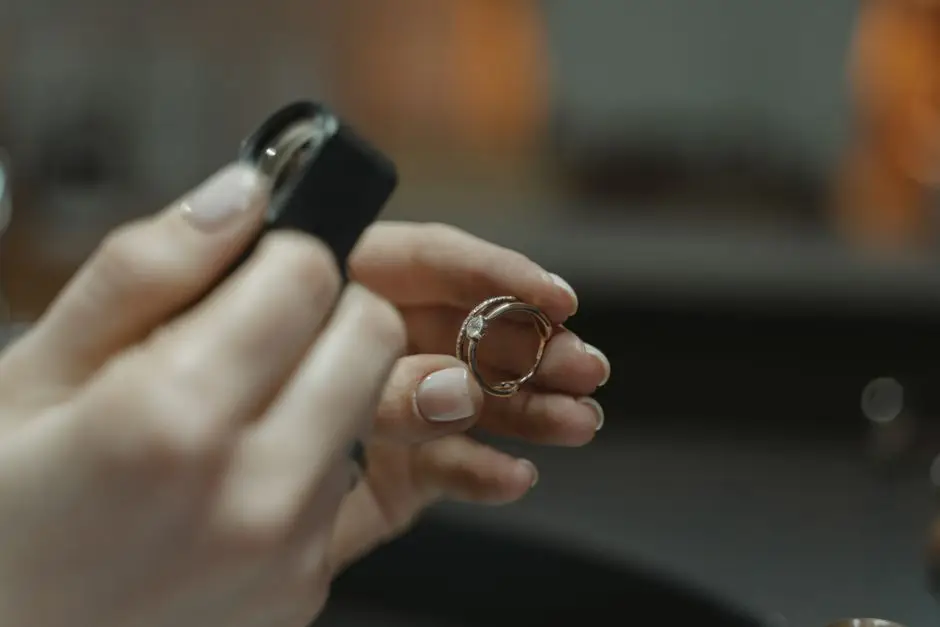
How do you check the clarity grade on the certificate?
Never from the listing — from the report, and then from the lab that wrote it. Three steps:
- Get the report number. Any seller of a certified stone can hand it over. Hesitation on this question is an answer in itself.
- Look it up at the source. IGI's report lookup returns the lab's own record; GIA and HRD run the same service. If the record and the printout disagree, trust the record. There is a full walkthrough of the lookup if you want every step and the edge cases.
- Read the plot, not just the grade. Most full reports carry a clarity plot — a small line drawing of the stone with symbols marking each inclusion's type and position. It is the inventory behind the summary line, and the growth fingerprints a lab reads there differ by origin — our CVD diamond guide covers what each method leaves behind.
The plot rewards a minute of attention. It tells you where the inclusions live — under the table, or out at the edge where a prong will sit — which the grade alone never says. And because no two stones carry the same inclusions in the same places, the plot is a fingerprint: it is how you confirm the stone in front of you is the stone on the paper, years later or across a counter today.
The plot matters most exactly where the money question is hardest: the SI band. Two SI1 stones can carry the same grade because one has a single crystal hidden at the girdle and the other has a feather sitting under the table. The first is a bargain; the second is why the band has a reputation. The plot tells you which one you are being quoted.
Which clarity should you actually buy?
Work the order of operations, not the chart. Cut first — it decides whether the stone looks alive, and no clarity grade rescues a dull cut. Then find where eye-clean starts for your stone, which moves with three things:
- Size. Inclusions are easier to see in a bigger stone. What hides in a quarter-carat stud can show in a two-carat centre stone, so the sensible clarity band climbs with carat weight.
- Shape. Step cuts — emerald, Asscher — are open windows with long clean facets, and they hide the least; they deserve a higher clarity band. Brilliant cuts scatter light over dozens of small facets and forgive far more.
- Distance. Nobody inspects earrings at reading distance. Studs and pendants live at conversation range, and the clarity band that is honest there is not an expensive one — a large part of why sensible earrings cost so much less than centre-stone rings. The diamond earrings price guide does that budget maths separately.
As rough starting points — the stone always gets the final vote:
| Stone | Where eye-clean usually starts |
|---|---|
| Brilliant cuts around a carat or under | SI1, judged stone by stone |
| Brilliant cuts well above a carat | VS2 and up |
| Step cuts (emerald, Asscher), any size | VS2 and up, often VS1 for large stones |
| Small side stones and pavé | SI is routinely fine |
The setting votes too. A prong sits exactly where many edge inclusions live, a bezel wraps the entire girdle, and a halo keeps every neighbouring eye busy — all three can turn a borderline stone into an easy yes. This is the kind of judgement a listing cannot make for you, and the reason we would rather be sent a report number than a budget alone.
And the advice that costs us the occasional sale: if the choice is a flawless grade or a better-cut VS at the same money, take the VS. You will see the cut every day and the flawless grade never. Good diamond clarity, for a stone that will be worn rather than filed, means the least expensive grade at which your stone is eye-clean — found by looking at the stone, not the letter.
The questions everyone asks
What is the best diamond clarity?
FL is the top of the chart, and almost nobody should buy it. The best diamond clarity for a worn stone is the lowest grade at which that particular stone is eye-clean — usually in the VS band, sometimes SI. The chart ranks the paperwork; your eye ranks the stone.
Is SI clarity good for an engagement ring?
Often, and always stone-by-stone. Many SI1 stones are eye-clean, and an eye-clean SI1 is the strongest value on the chart. Ask for the clarity plot or a video of the actual stone rather than deciding from the grade alone.
Which is better, VS1 or VS2?
VS1, by one notch of work under the loupe — its inclusions are slightly harder to find at 10x. On the hand the two are not distinguishable. Choose between the two actual stones on cut, not between the two labels.
Can you see diamond inclusions with the naked eye?
Above the SI band, essentially never — that is what those grades mean. In SI stones, sometimes; in I-grade stones, usually. Size and shape move the line, which is why a grade that is invisible in a stud can show in a large emerald cut.
Do lab grown diamonds have inclusions?
Yes. Growth traps things whether it happens underground or in a reactor, so lab grown stones carry crystals, pinpoints and feathers like any others — IGI grades them on exactly this scale. Controlled growth improves the odds of a clean stone; it does not guarantee one.
Does clarity affect a diamond's sparkle?
Far less than cut does. Grade-to-grade differences in the eye-clean bands change nothing you can see; heavy clouding at the bottom of the chart can genuinely dull a stone. If sparkle is the goal, spend on cut and stop climbing the clarity chart at eye-clean.
Is clarity or colour more important?
Neither outranks the other everywhere — the setting decides. In white metal, a colour tint usually shows before a VS-band inclusion, so colour deserves the budget first. In yellow gold, the metal warms the stone regardless and clarity moves up the list. Cut outranks both in every metal.
The chart is a map — bring it a stone
A clarity grade records what one grader found at ten-times magnification on one particular day. It cannot tell you whether the stone looks alive on a hand, and it was never meant to. Use the chart to stop overpaying; use your eyes, or ours, to choose the stone.
Send a report number or a budget over WhatsApp — the chat button is on the homepage — and we will tell you what the paper says, what the stone says, and where the two disagree. Every stone we sell carries IGI, GIA or HRD certification. We work from Mumbai as members of the Bharat Diamond Bourse and the GJEPC, deliver across India, and take workshop visits by appointment. When you want the longer course, the guides index has it.