Is a GH SI Diamond Good? One Label, Four Different Stones
By SGJ · · 9 min read
A GH SI diamond is not one grade. It is four, sold under one label.
G and H are two colour grades. SI1 and SI2 are two clarity grades. So "GH SI" describes any of four combinations, and the distance from the best of them to the worst is three steps on the scale. A seller quoting the label is quoting the parcel. Somebody still has to decide which stone comes out of it.
GH is not one grade. It is two.
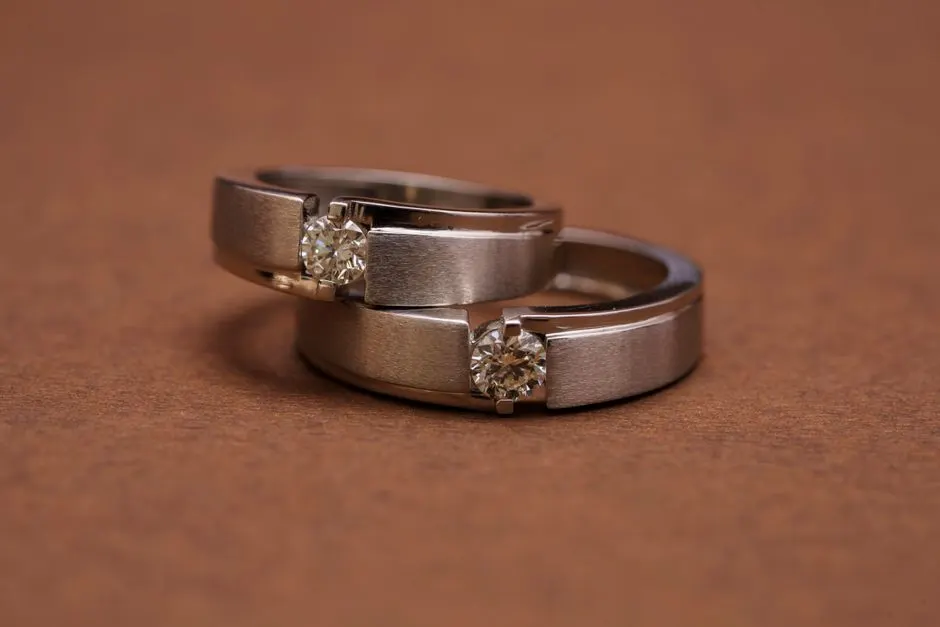
No laboratory grades a stone "GH". GIA grades colour on a letter scale from D to Z, one letter per stone. G is one grade, H is the next one down, and "GH" is trade shorthand for either.
D through F are colourless. G through J are near colourless. A G sits at the top of the near-colourless band, an H one step below it. Unmounted, side by side, on white paper, a grader tells them apart. Set in a ring on a hand, effectively nobody does.
SI works the same way. It stands for Slightly Included and covers two grades, SI1 and SI2, SI1 being the cleaner. Where the eye-clean line falls, which shapes hide inclusions and which show them, and when to buy above this band are all laid out rung by rung in the diamond clarity chart guide — this page is about the label rather than the ladder.
Why so many Indian jewellers quote GH SI
Because the trade genuinely buys in ranges, and the range is what they can honestly tell you.
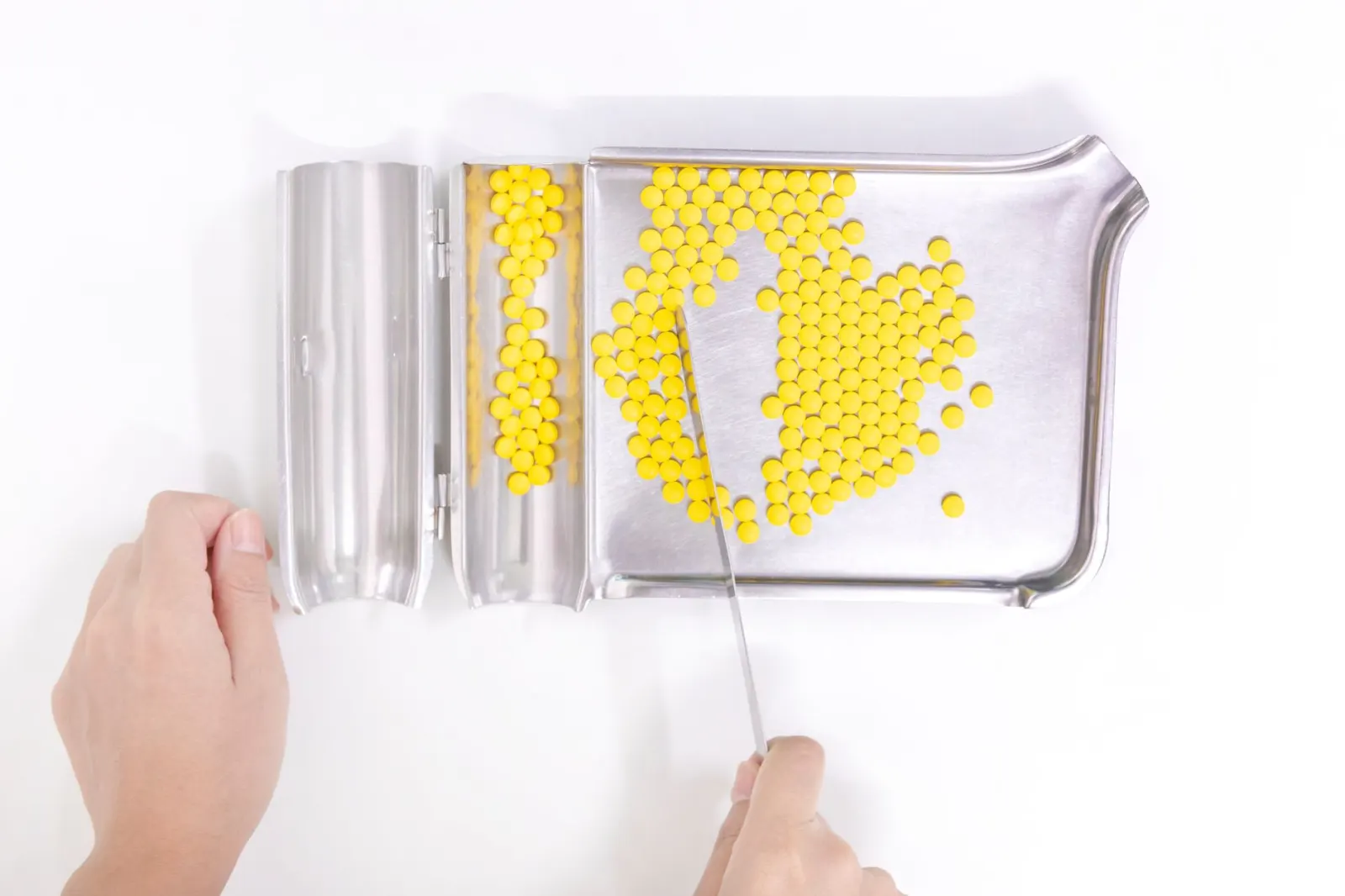
Small stones do not arrive at a workshop one at a time with individual reports. They arrive as parcels, sorted to a band. The laboratories sort that way too: GIA's own melee analysis service groups small stones into colour ranges — D-to-F, G-to-H, I-to-J, K-to-Z — and returns the parcel described by its band, not stone by stone. "GH" is not a marketing invention. It is what the paperwork on a parcel actually says.
GH SI is one of a handful of bands the Indian trade buys by default, alongside GH VS and IJ SI. A retailer quoting you a GH SI diamond is quoting the parcel spec, and quoting it accurately.
The gap opens one step later. A G SI1 and an H SI2 both sit inside that parcel and both are correctly described as GH SI. They are not the same stone, and whoever picks between them is making a decision about your piece that you never saw. That is the whole reason two quotes on identical paper come back at different numbers.
So ask for the letter and the number, not the band. A seller working from actual stones can tell you. A seller working from a parcel label cannot, and that answer is information too.
Which laboratory still grades this spec in 2026
This is the part that changed recently, and most pages on the subject have not caught up.
If your GH SI stone is natural, nothing has changed. GIA, IGI and HRD all still grade it on the letters and numbers this page describes.
If it is lab grown, the ground moved twice. GIA stopped grading lab grown diamonds on the four Cs in October 2025 and now classifies them Premium or Standard — and because Standard requires VS clarity, an SI lab grown stone does not qualify for a GIA assessment at all. Then HRD stopped issuing quality certificates for loose lab grown stones as of 2026, keeping only mounted jewellery.
Which leaves one. For a loose lab grown diamond at GH SI, IGI is the lab that will still put the letters on paper. That is not a recommendation, it is arithmetic — and it is worth knowing before a seller tells you their lab grown stone is "GIA quality" without showing you a report. Our guide to checking a report against the lab's database covers how to verify whichever one you are handed.
Which of the four you actually want
The four combinations are not equally good and they are not equally priced, and the label hides both facts. Here is how they rank from the bench.
| Inside the label | What it is | Our read |
|---|---|---|
| G SI1 | Best of the box | The one to ask for by name. |
| H SI1 | One colour step down | Usually the buy. The step you gave up is the invisible one. |
| G SI2 | One clarity step down | The gamble. Check this stone before you commit to it. |
| H SI2 | Bottom of the box | Fine in small stones and busy settings. Verify it in anything large or step-cut. |
Now the part worth taking away. Between an H SI1 and a G SI2 — same label, same band, often the same quoted price — take the H SI1 every time.
The reasoning is that the two axes are not symmetrical. Dropping one colour grade, G to H, moves a stone one step inside a band that is already called near colourless, and that step disappears the moment the stone is on a hand. Dropping one clarity grade, SI1 to SI2, moves toward the point where an inclusion becomes something you can see without help. One of those steps is invisible and the other one might not be. Give up the invisible one.
That is also the single most useful question you can put to a seller quoting the range: not "is it GH SI", but "is it the SI1 or the SI2".
A pair is a harder problem than a stone
If you are buying earrings rather than a ring, the range works against you twice over.
Two stones both sold as GH SI can be a G and an H, mounted two inches apart on the same face. That is where a single colour grade stops being theoretical. One stone has nothing to be compared against. A pair compares itself, permanently, for as long as it is worn.
So for earrings, ask for the pair to be matched: same letter, same clarity grade, measurements close enough that the two face up alike. Expect it to narrow the choice and take longer. It is the one place we push people to tighten a spec rather than relax it. How that shows up in a quote is covered in what sets a diamond earrings price.
Is a GH SI diamond good?
Yes, for most buyers and most pieces. It sits in the band where a stone stops looking obviously tinted and has not yet started charging for grades nobody can see.
What "for most" is carrying
The band is a good choice. The stone inside the band is what you actually own. An eye-clean, well-cut G SI1 round is an excellent purchase, and at the same money we would take it over a D VVS most days — because at that budget the D VVS is a visibly smaller stone, and once it is mounted nobody can see what the premium bought.
An H SI2 in a large emerald cut is a different proposition wearing the same three letters. Step cuts have long open facets and no scintillation to hide behind, so they show both the inclusions and the body colour that a round brilliant's fifty-seven or fifty-eight facets break up. On a step cut, go up on colour and up on clarity — that shape does not let you trade one against the other.
So "is GH SI good" has no answer on its own. Ask which stone.
What people ask us about this spec
What does GH SI mean in diamonds?
It means the stone is either G or H in colour and either SI1 or SI2 in clarity — a range covering four combinations, not a single grade. A report on an individual stone will never print "GH SI"; that phrasing belongs on parcel paperwork.
Can I trust an SI grade without seeing the stone?
Not entirely. Is SI clarity good for a diamond? Usually — it is the band where inclusions are noticeable under ten-times magnification but are frequently still invisible to the eye. That "frequently" is the catch: SI is the grade you have to check stone by stone rather than trust, and SI2 in a large stone or a step cut is where it most often fails.
Is a GH color SI clarity diamond eye-clean?
Sometimes, and the report will not tell you. Eye-clean is not a graded property on any certificate. Ask the seller whether the stone is eye-clean at arm's length, and ask them to show you under magnification where the inclusion actually sits — under the table is the one position that matters.
Does GH SI mean the same thing on a lab grown stone?
The scale does, the paperwork no longer does. As of 2026 a loose lab grown stone at this spec is IGI territory: GIA has moved lab grown to Premium or Standard and will not assess an SI stone at all, and HRD has stopped certifying loose lab grown entirely.
Ask which stone, not which range
We make and set in Mumbai, on both lines, and GH SI is a specification we work with constantly. The spec behaves the same whether the stone is grown or mined — what differs in 2026 is which laboratory will put it on paper.
Tell us the piece and the budget on WhatsApp and we will tell you the actual colour and clarity of the actual stone. Where the centre stone carries its own report we will give you the number, so you can check the grades against the laboratory rather than against us. If it is an H SI2 we will say so, and tell you why it still works in that setting — or why it does not.
Our Bharat Diamond Bourse and GJEPC memberships are how we buy parcels in the first place, which is the whole reason we can tell you what came out of one. We ship across India and open the Mumbai workshop by appointment. Tell us what you are after, or see what the spec turns into in lab grown diamond rings. Every other rung on the scale is written up on the guides index.