Men's Diamond Rings With Price: From the Maker's Bench
By SGJ · · 15 min read
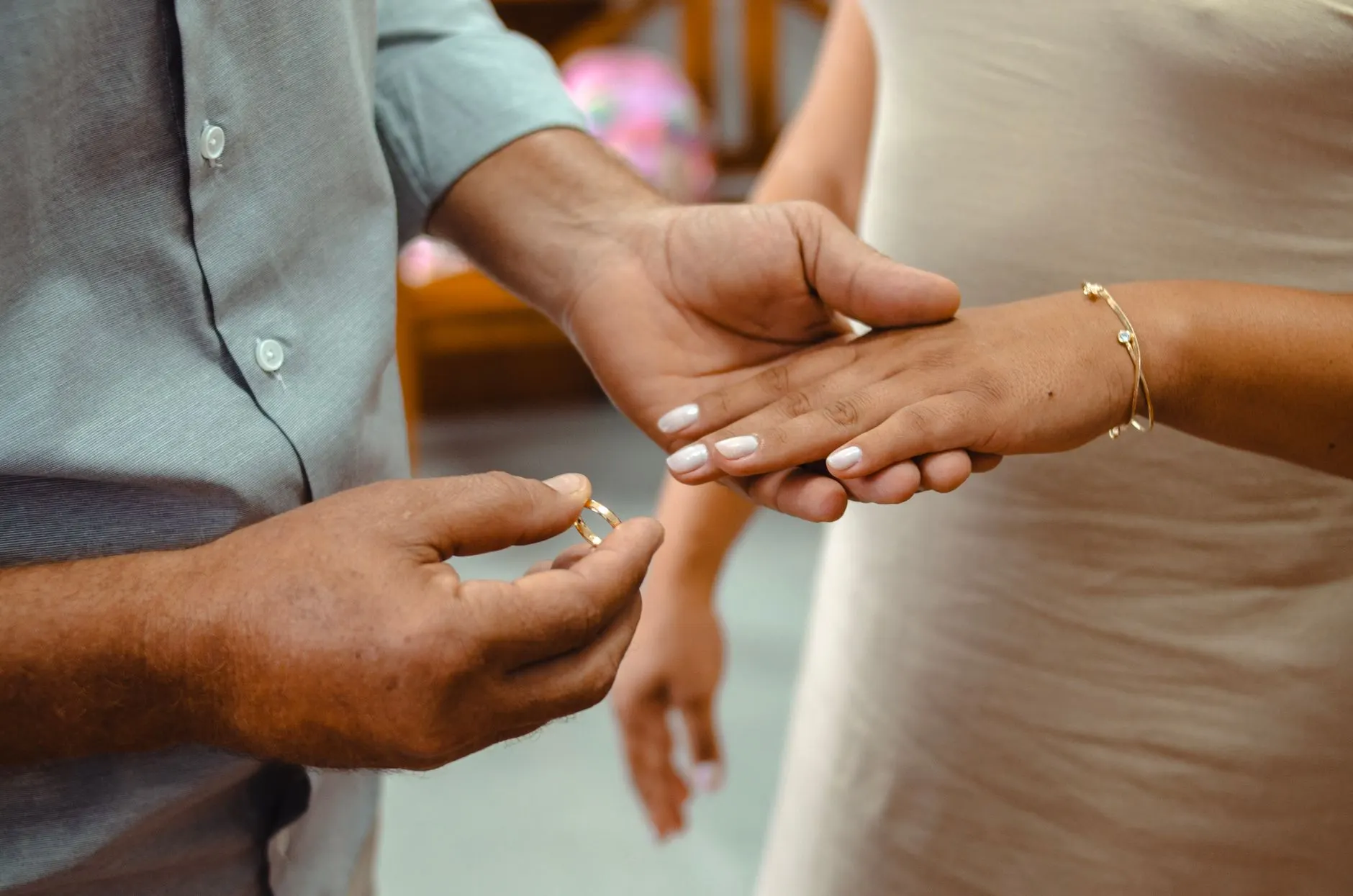
You searched for men's diamond rings with price because most listings show you everything except the price. Fair enough. Honest answer first: there is no single men's ring price, because a men's design usually carries more gold and the quote follows the weight. Every ring comes off our Mumbai bench, IGI-, GIA- or HRD-certified, and we price the design you actually want.
Below: the dials that set the number, why listings hide it, and how to read any quote — ours or anyone's — before you pay.
What actually sets a men's diamond ring price?
The same four dials as any diamond ring — stone, metal, making, route — but in a different order. On a men's ring, the metal usually leads.
The metal. A men's ring carries more gold than almost any other ring on the counter: a broader band, a thicker shank, more surface. So gold weight and the day's rate move the price of a men's gold diamond ring harder than the stone does. Karat is the second decision — purer gold is softer gold, which is why rings that hold stones are usually alloyed harder rather than higher.
The stones. Men's designs typically run fewer, smaller stones — or one deliberate stone. Price-per-carat still climbs with size, because growing one large clean crystal is harder than growing several small ones. Fewer, smaller stones is part of why the gents diamond ring price on a substantial-looking piece can sit below that of a much daintier women's solitaire.
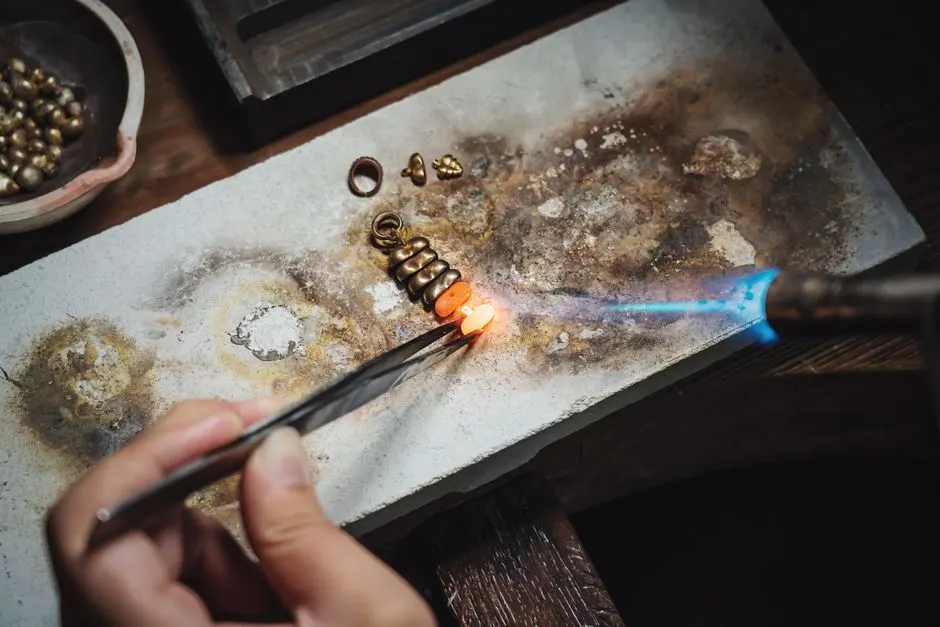
The making. Broad, flat surfaces hide nothing. Polish lines show on a wide band; they never show on a thin one. Finishing that properly is bench time — paid once, seen every day.
The route. A typical ring pays a manufacturer, a distributor and a retail counter before it pays you a visit — and only one of the three ever touched it. We are that one, selling direct. Add lab grown stones running up to 60% below mined, and that is the entire arithmetic behind our numbers.
How much does a men's diamond ring cost in India?
The men's diamond ring price in India is mostly a gold-weight story, which makes published figures slippery: any number that ignores the metal is telling you half the price. The number we can stand behind is the one we quote you — certificate to match, factory-direct, shipped anywhere in the country — and a men's design carries more gold than any line floor assumes, so message us the design and we will price the weight exactly.
Two rings that photograph identically can sit far apart on price because one carries more metal in the shank — weight you feel on the hand but cannot see in a listing. That is why comparing men's rings by photo is the least reliable comparison in jewellery.
Read any quote as three lines instead: what the stones weigh and grade, what the gold weighs and at which day's rate, and what the making costs. A quote that arrives as one number with no split is asking you to take the gold weight on faith — and gold is the biggest line on a men's ring.
Two habits close the loop. Take a second quote on the same spec — same stone weight and grades, same gold weight and karat; not a similar ring, the same lines. And take a proper tax invoice naming those lines: the paper is what a future insurer, valuer or buyer of the gold will believe.
One thing a men's ring is not: an investment. Resale sits well below purchase, diamond and making included — buy the ring to wear it.
Why do listings show men's diamond rings with price ranges, not prices?
Three real reasons — ring size changes the gold weight, the gold rate moves daily, and stone grades vary between pieces — and one less flattering.
Size is the big one: the same design on a larger hand simply contains more gold. The rate is the second: a printed number expires. The grades are the third: a range covers the spread between pieces.
The less flattering one: "price on request" keeps the negotiation open. A number in writing is a commitment; a conversation is a starting position. When the price depends on who is asking, the answer is rarely in the buyer's favour.
The same goes for the making charge: ask for it in writing before any negotiation starts. A number that can halve when you stand up to leave was never a number.
Ours arrives itemised, in writing, on WhatsApp — stones, gold, making — so what you compare is three checkable lines.
Signet, band or solitaire — where does the money sit?
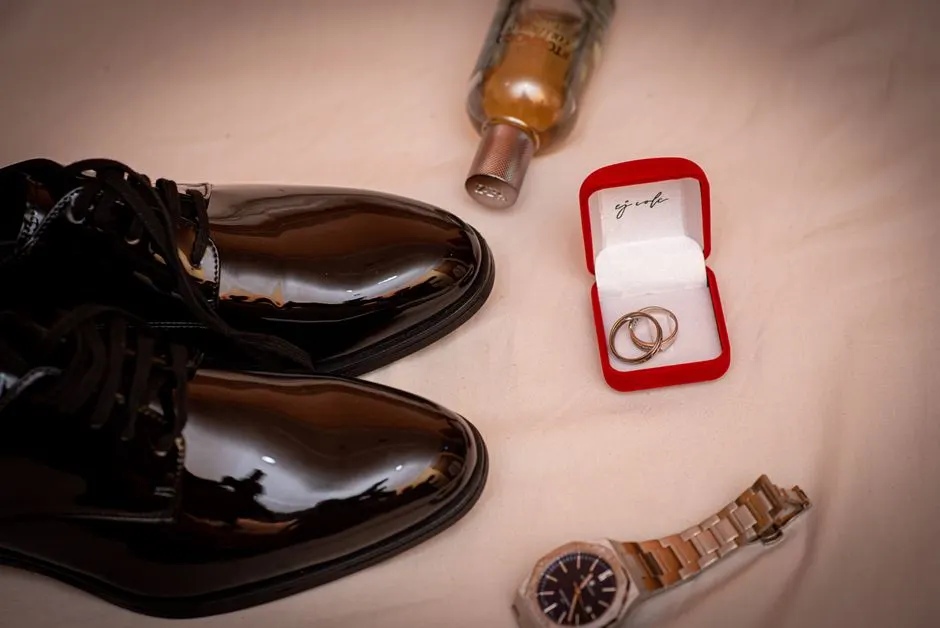
On a men's ring, style mostly decides how much of the quote is gold. That is the useful way to compare designs — not by price tier, but by which line of the quote each style feeds.
Signets and plain-dominant rings are nearly all metal. The gold rate rules the quote, stones are accents, and the making decides whether the flat surfaces look crisp or tired. If you want maximum presence per rupee, this is usually it.
Single-stone and solitaire rings put the budget into one diamond, so the per-carat curve takes over. The 1 carat diamond ring price for men follows the same rule as any solitaire, and the carat mechanics below set out why: one large stone costs more than the same weight split across small ones, because one big flawless crystal is the harder thing to grow.
Pavé and cluster bands are making-dominant — many small stones, each set by hand. Less large-stone premium, more bench hours. They buy the most visible stone per rupee and the least resale-friendly arithmetic — which matters only if you were counting on resale.
Channel-set bands sit between: a row of stones recessed into a groove in the metal. More gold than pavé, fewer bench hours per stone, and channel walls that shield the stones from knocks. That makes it the safer choice for a working hand that wants a row of diamonds anyway.
Men's rings come off the same bench as everything else we make, with the same IGI, GIA or HRD paper. Our lab grown diamond rings page covers the wider catalogue, women's and men's both.
Does a men's diamond ring need a different diamond?
No. A lab grown diamond ring for men carries the same stone chemistry, the same grades and the same certificates as anything else on the counter. The grading scales do not check who is wearing the stone.
What differs is the life the ring leads. Hands work, and a ring on a working hand takes knocks a pendant never will. That argues for setting style over stone grade: a bezel or flush setting wraps metal around the stone and protects it; high claws show more stone and more risk. At hand distance, cut — whether the stone looks alive, the grade the GIA's 4Cs explain best — matters more than a clarity grade nobody can see without a loupe.
The metal colour question is practical too, not just taste. Yellow, white and rose gold are the same gold in different alloys — the gold itself is worth the same at the same weight and karat. The one running cost worth knowing: white gold is usually rhodium-plated to get that bright mirror finish, and on a daily-wear ring the plating thins over the years and wants redoing. Yellow and rose wear their own colour all the way through.
If the ring will live through site work, gym racks and car doors, consider a flush-set stone or none at all. A destroyed diamond is a worse outcome than a smaller one.
Why one big stone costs more than several small ones
This is the mechanic underneath every carat question on a ring, and it decides whether a budget goes into one solitaire or a band full of smaller stones.
Diamond prices do not rise in step with weight — they rise faster. A two-carat stone costs considerably more than twice a one-carat of matching grades. The reason is supply: large crystals that are also clean and well-formed are genuinely uncommon, whether they came out of the ground or out of a growth chamber, and cutting one costs yield. A cutter shaping large rough sacrifices a great deal of material to reach good proportions, and every gram lost is priced into what survives.
So the same total weight is cheap when scattered and expensive when concentrated. A ring carrying a full carat spread across a dozen small stones can cost a fraction of a one-carat solitaire, and it is not a lesser piece of work — it is a different product. The solitaire's premium buys concentration, and concentration is the scarce thing.
Why the 1.00 carat mark costs a premium
Because it is a round number, and rough diamonds do not care about round numbers.
A cutter finishing a stone can often choose to land just under a carat or just over it. Landing over keeps more weight and surrenders some freedom to cut for the best proportions. Because buyers search for "one carat" and not "0.94 carat", demand piles up at the round figures and the market pays a step to sit above them. The trade calls these magic sizes: 0.50, 0.75, 1.00, 1.50, 2.00.
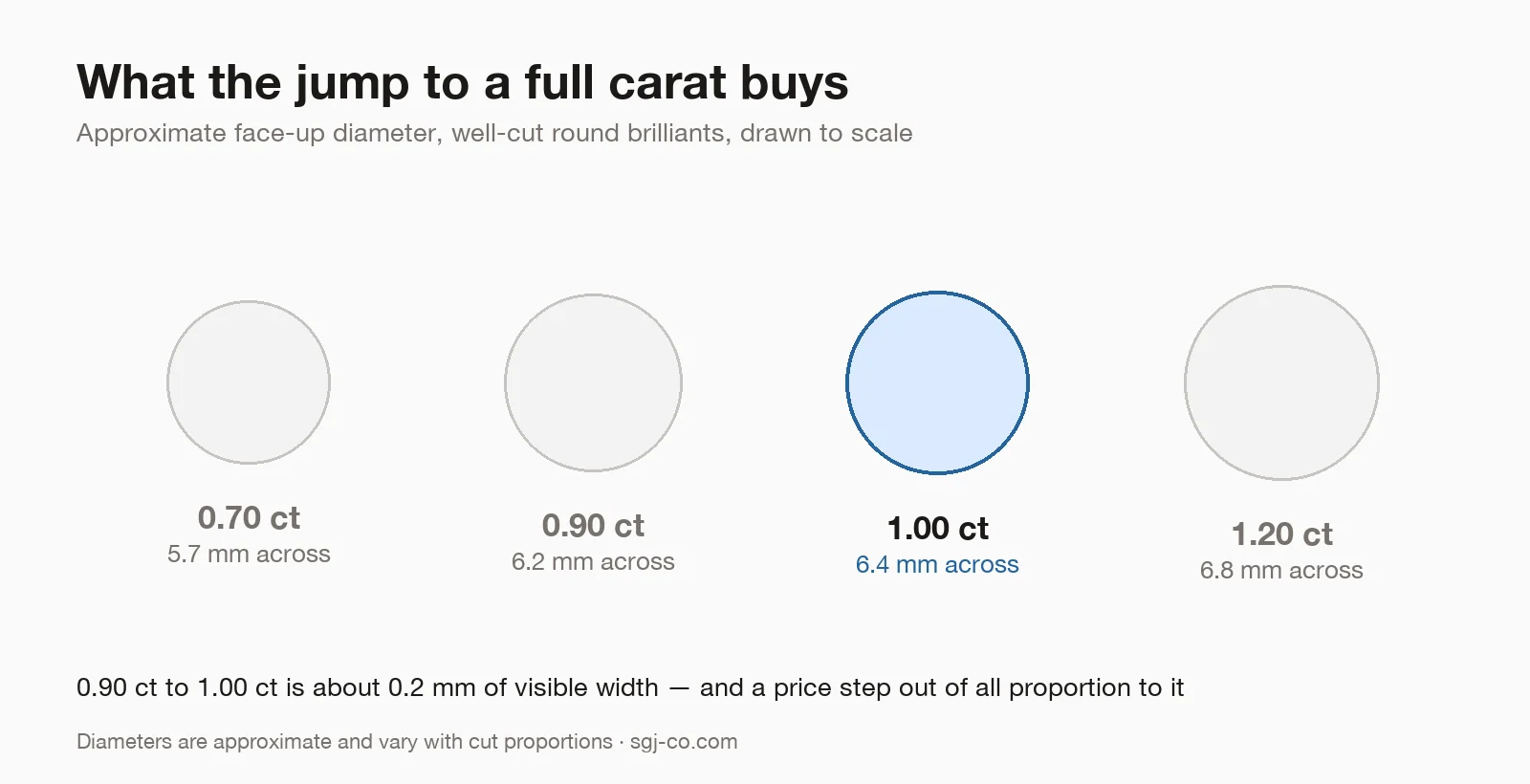
Here is what that step buys in the only currency your eye reads, which is width across the top of the stone. A well-cut one-carat round brilliant measures roughly 6.4 mm across. A 0.90 carat measures roughly 6.2 mm. Two tenths of a millimetre — about the thickness of two sheets of paper — for a price jump that is anything but proportional.
So the most effective saving available on this purchase is to stop insisting on the number. A 0.90 or 0.92 carat stone, well cut, reads as a one-carat ring to everyone who will ever see it.
Buy the full carat anyway if the number itself is the point — if it is going to be said aloud, or written down, or it simply matters to the person receiving it. That is a real reason to spend the money. It is just not a visual one.
Shape moves the number more than most buyers expect
Everything above quietly assumes a round brilliant, and that assumption is itself one of the biggest levers on the bill.
Round is the most expensive shape per carat, for the same yield reason: cutting a round brilliant discards more of the original crystal than cutting almost anything else, and the discarded weight is in the price. Fancy shapes — oval, pear, marquise, emerald, cushion — generally cost less per carat than a round of matching grades.
Elongated shapes also carry their weight differently. An oval or a marquise distributes mass across a longer face, so it looks wider on a finger than a round of identical weight. Which produces a stronger version of this guide's whole argument: if apparent size is what you want, changing shape buys more visible stone per rupee than climbing to the round number does.
The trade-off is that open shapes with long flat facets, emerald and Asscher especially, expose the stone's interior more than a brilliant does — so those shapes ask for a more careful clarity grade. Our diamond clarity chart guide sets out where that line falls.
The three grades that decide the rest
Weight tells you how much diamond. These tell you which one, and on a solitaire they are unusually exposed — there is no surrounding pavé to carry the piece if the centre stone is weak.
Cut is the grade to protect above all others. It governs how the stone handles light, and a solitaire puts one stone in an open setting under a single spotlight. A poorly cut one-carat looks smaller and flatter than a well-cut 0.90: you would have paid the magic-size premium and then handed the benefit back.
Colour matters more on a solitaire than on a busy piece for the same reason — one uninterrupted stone against one metal, with nothing to distract the eye. The metal decides how much you should care. Against platinum or white gold there is nothing to disguise a warm tint; a yellow-gold setting lends its own warmth to the stone and makes a lower colour grade a sensible economy.
Clarity is the one to buy carefully rather than generously. The useful target is the least expensive grade at which your specific stone shows nothing to an unaided eye, and that judgement should be made on the actual stone or its report plot, never on the letters alone.
Spend in that order — cut first, then whichever of colour or clarity your setting exposes, then weight. Most retail quotes are built in the reverse order, because weight is the number that sells. The GIA's 4Cs reference defines all four if you want the grading detail.
What else is on the invoice?
The ring around the stone, and it is not a rounding error.
Metal by weight. A solitaire band is light compared with an ornate men's piece, but it is still grams at that day's rate. For gold, ask for the gram weight and the karat in writing. Platinum is described differently: purity is stated in parts per thousand and stamped Pt950 or Pt900, not in karats. A platinum ring usually costs more than the same design in gold, but not because platinum is the dearer metal per gram — it is denser, so the identical ring takes more grams; jewellery platinum runs about 95% pure against 18k gold's 75%; and it is slower and harder on tools at the bench.
Setting labour. A solitaire concentrates the setter's attention on one stone where a slip is unrecoverable. Slow, skilled work, and it should appear as its own line.
The certificate. An independent lab has examined the stone and put its name to what it found, and its fee rides along with the diamond. That fee buys the only statement in the entire transaction that does not come from someone with an interest in selling you the ring.
Everything else. Showroom rent, distributor margin, inventory financing, commissions. We cut and set our own stones in Mumbai and sell direct, which is why our floor sits where it does at all. Our lab grown diamond price guide follows one stone's invoice through that chain in detail.
Buying a solitaire lab grown
Same shopping method, materially smaller numbers — spec for spec, lab grown runs up to 60% below the mined equivalent. Everything above still applies: the magic-size premium, the shape economics, the spend-in-this-order rule.
One practical note on paperwork, because it changes how you compare quotes. IGI grades lab grown stones on exactly the scales described here, and most lab grown paper you will meet in India is IGI's. GIA has moved its lab grown reports onto broad descriptive quality categories instead of the letter grades, so a GIA lab grown report will not hand you the same cut, colour and clarity ladder to shop on. Neither approach is wrong; you just cannot compare the two documents line for line. Our lab grown diamond rings page shows the finished work.
The questions everyone asks
How much should a 1 carat solitaire diamond ring cost?
There is no single figure, because four grades and a metal weight sit behind every quote. What you can do is make two quotes comparable: fix the carat, cut, colour and clarity, fix the metal and its gram weight, and ask two sellers to price that. Any difference left over is the route to you, not the ring.
Is a 1 carat solitaire worth it?
If the number matters to the person receiving it, yes — that is a real reason. If what you want is visible size, a well-cut 0.90 in an elongated shape gives you more face-up spread for less money.
Why is a solitaire more expensive than a ring with a carat of small stones?
Because concentration is the scarce thing. One large clean crystal is far harder to find and far costlier to cut than the same weight scattered across a dozen small ones.
Is a diamond solitaire a good investment?
No. Resale sits well below purchase price for mined and lab grown alike, and grown material has been getting cheaper. Buy the ring because it will be worn.
What to check before you pay for a men's ring
Five lines, written for the ring a man actually wears daily:
- Gold weight, karat, and which day's rate — the biggest line on a men's quote. Check the piece is BIS hallmarked, India's legal purity standard, and if it is white gold, ask what a rhodium refresh costs down the line.
- Per-stone weight and grades — totals hide more than they tell, the same trap as on diamond earrings.
- The grading paper — which laboratory wrote it, and the number printed on it. Our guide to checking a report against the lab's database walks through the whole thing.
- Whether the design can be resized — fully pavéd bands often cannot be, and hands change over decades.
- Who made it — a wide band shows finishing shortcuts, so the maker matters twice here. A seller who cannot name one is quoting you a route, not a ring.
- The measurements in millimetres — the stone's diameter, or length and width. This is the number your eye actually reads and the only fair way to compare two stones of different weights or shapes. A seller who has the certificate has the measurements.
Have a style in mind — or just a budget? Send it over on WhatsApp, with the finger size if you know it, and the quote comes back itemised: stones, gold, making, certificate included. Start from our homepage — the WhatsApp button there opens the chat. We cut and set in Mumbai, ship pan-India, and take showroom visits by appointment; more of these guides live on the guides index.